
What Do Removal Companies Not Move? A Complete Guide
· New Moves Removals · Moving Tips
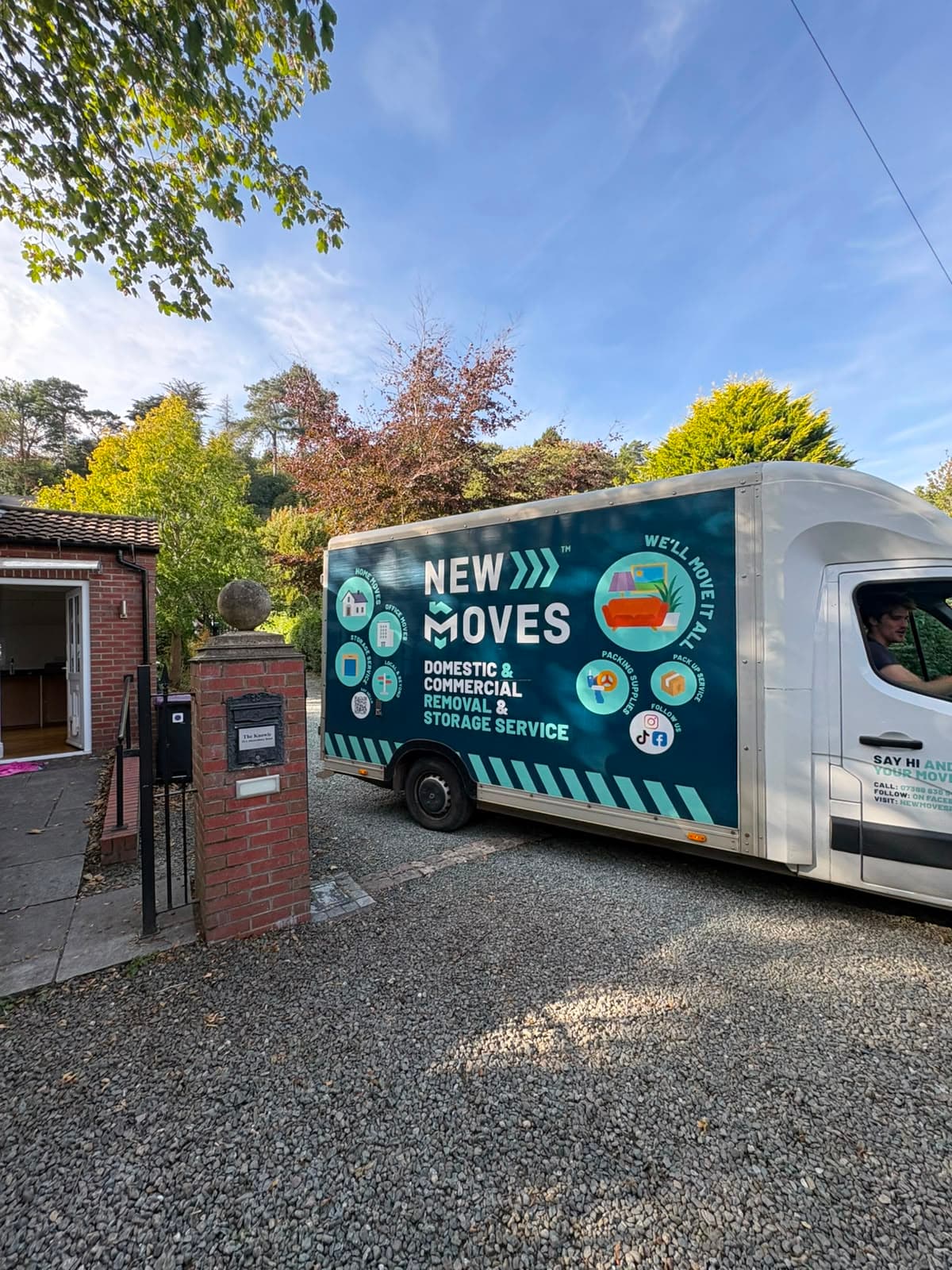
"Can you take this?" is one of the most common questions a removals team hears on survey day, and the honest answer is sometimes no. It's rarely about awkwardness — most restrictions come down to safety regulations, insurance cover, or basic common sense about what a removals van is actually equipped to carry. Knowing what's likely to be restricted before moving day means no last-minute surprises and no scrambling to find an alternative at 7am.
Here's what removal companies typically won't move, why, and what to do with these items instead. Always confirm the specifics with your own removals company, since exact policies can vary.
Flammable and Hazardous Materials
Petrol, paraffin, gas canisters, fireworks and large quantities of aerosols are standard exclusions. Vans carrying these alongside household goods create a genuine fire risk, and most transport insurance simply doesn't cover it. What to do instead: use up fuel in garden equipment before moving day, and take any gas canisters or fireworks to your local household waste recycling centre rather than packing them in a box.
Corrosives, Chemicals and Large Quantities of Paint
Weed killer, bleach in bulk, half-used tins of paint and other chemicals fall into the same category — a spill inside a packed van can damage everything else being transported, not just the item itself. Your local council's household waste site is the right place for anything you're not taking with you; Shropshire Council and Herefordshire Council both have guidance on safe disposal if you're moving within either county.
Perishable and Frozen Food
A removals van isn't refrigerated, so frozen and perishable food won't survive a multi-hour journey, and most companies won't take it on principle — a leaking freezer bag is nobody's idea of a good moving day. What to do instead: eat down your freezer in the weeks before moving, or transport a small cool box yourself if it's a short local move.
Plants, for Longer or Overnight Moves
For a short local move, plants are rarely an issue. For a long-distance or overnight move, many removal companies are more cautious — temperature changes and time spent in a dark van can kill delicate plants, and some removal policies restrict them regardless of distance. If you have plants you're attached to, the safest option is to transport them in your own car where you can keep an eye on them.
Pets and Livestock
Removal companies don't transport pets, and for good reason — a removals van isn't designed for animal welfare, and it's a legal duty of care issue as much as a practical one. The RSPCA has guidance on moving house with pets safely; the short version is that pets should travel with you, in a secure carrier, not in the van with the furniture.
Cash, Jewellery, Important Documents and Irreplaceable Items
This one isn't usually a hard "no" so much as strong advice: removals insurance typically excludes cash, jewellery, passports and similarly high-value or irreplaceable items from blanket cover, because their value is impossible to verify and replace like for like. What to do instead: keep these with you personally throughout the move, in a bag that travels in your own car, not the van.
Anything That Needs Specialist Handling Beyond a Standard Move
Occasionally an item — a very heavy safe, a piece of specialist equipment, something requiring cranage — needs more than a standard removals team and van. This is uncommon, but it's exactly the kind of thing worth mentioning at the quote stage rather than discovering on the day, so your removals company can plan for it properly or point you to a specialist if needed.
What Our Customers Say
Bea's review captures why it's worth just asking your removals team directly if you're not sure about something:
“The team at New Moves was absolutely stellar, from the quote to the move day itself everything was smooth and we felt supported and prepared. Communication was excellent throughout the day, they made sure to check in about what the next step in the plan was, and to make sure we were comfortable.”
That kind of communication is exactly what you want if you've got something unusual to move — a quick conversation at the quote stage settles most questions about what can and can't go on the van.
If you're planning a move and want to check anything specific before booking, get a free quote and mention it — we'll give you a straight answer rather than leaving you to guess.
👉 Get your free, no-obligation quote: www.newmovesremovals.co.uk/quote
Frequently Asked Questions
Can I ask my removals company to make an exception for a restricted item?
Some restrictions are about safety and legality rather than preference, so there's limited room for exceptions there — but it's always worth asking, particularly for borderline items. A good removals company will explain why something is restricted rather than just saying no.
What happens if I don't declare a restricted item?
At best, it gets left behind on moving day once it's spotted; at worst, it's a genuine safety or insurance problem if something goes wrong in transit. It's always better to mention anything you're unsure about when you book.
Do removal companies provide a list of banned items?
Most do, usually as part of your booking confirmation or terms and conditions. If you haven't seen one and you're not sure about something, just ask — it's a normal question and one removals companies are used to answering.
Are pianos considered a restricted item?
No — pianos are heavy and need careful handling, but they're a standard part of most house removals, not a restricted item. It's still worth mentioning one when you book so the team can bring the right equipment and manpower.
What should I do with items my removal company won't take?
For hazardous items, your local council's household waste site is usually the right place. For anything else — plants, high-value items, pets — the simplest answer is to transport them yourself, in your own vehicle, alongside the move.
- Moving Advice
- Restricted Items
- Removals